Amazon vs Myntra vs Flipkart vs AJIO: Fashion Image Guidelines for Indian Sellers
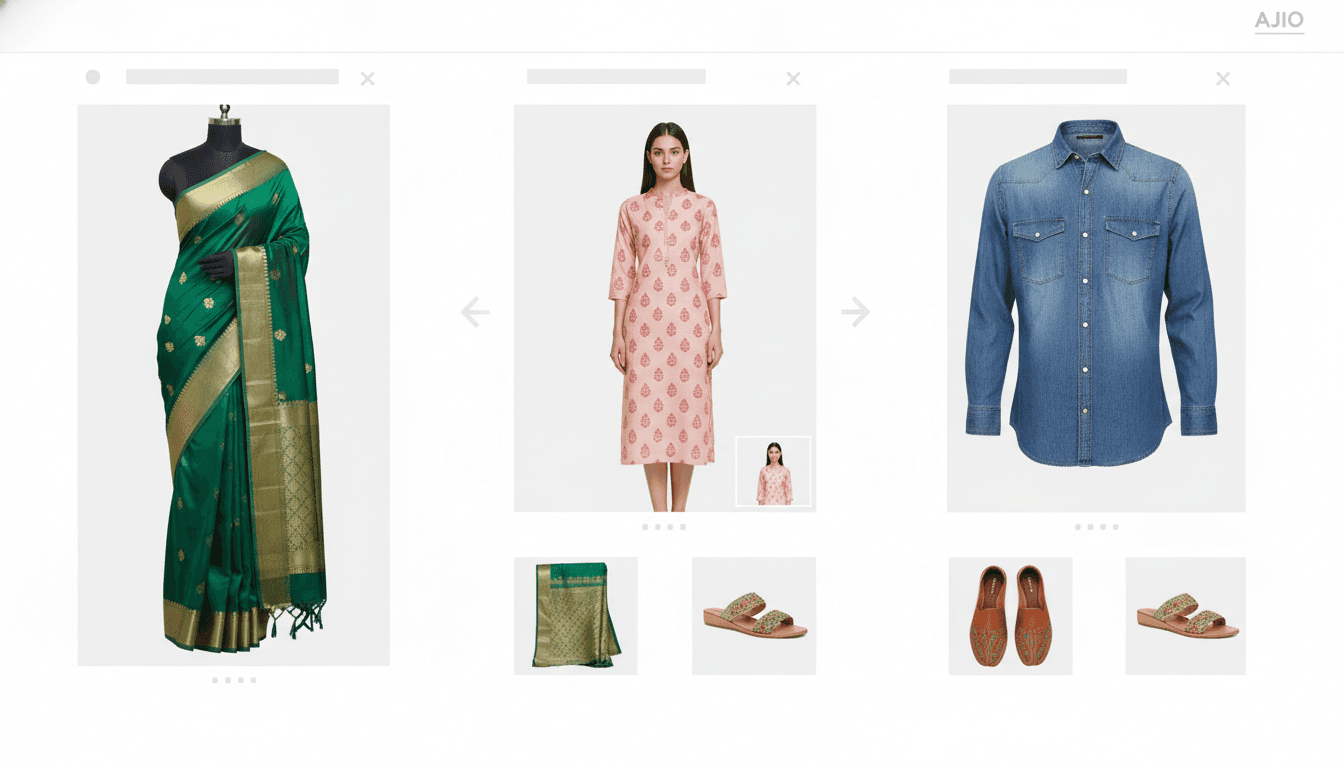
Fashion sellers in India rarely succeed by uploading the same image set everywhere. Amazon, Myntra, Flipkart, and AJIO may look similar from the outside, but their review expectations and merchandising styles differ. That is why teams keep searching for a practical guide to Amazon Myntra Flipkart AJIO image guidelines.
The challenge is not only dimensions or file size. Sellers need platform-ready hero images, useful gallery images, accurate color presentation, and clear product truth. If the workflow is weak, listings get delayed, rejected, or simply underperform.
Why one image set often fails across marketplaces
- Primary image rules differ: hero images are reviewed with different expectations.
- Gallery needs differ: some channels need stronger detail or on-model support.
- Category context matters: ethnic wear and western wear are not always treated the same.
- Product clarity matters most: buyers and reviewers must instantly understand what is being sold.
- AI-assisted visuals need care: realism and accuracy matter more than novelty.
Build a master asset set first
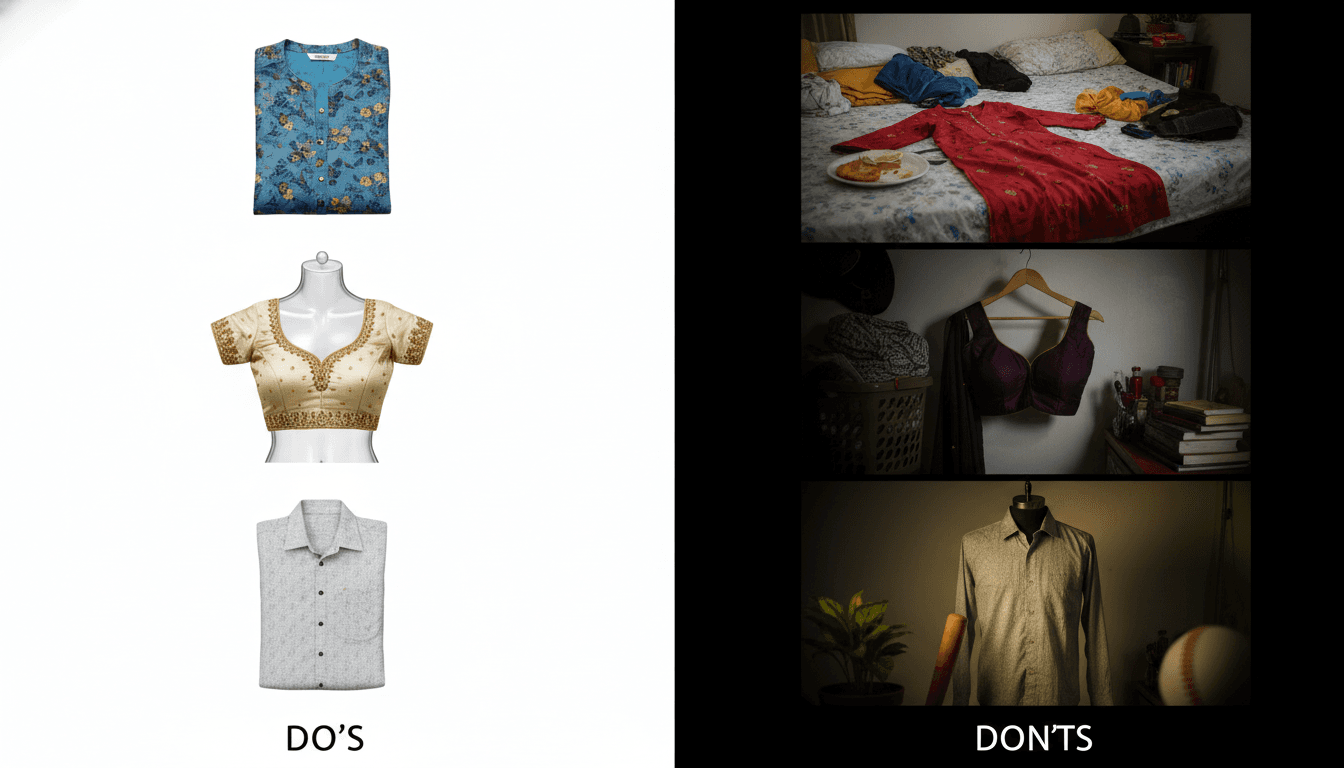
The most efficient approach is to create one approved source asset set and adapt from there. That base should include an accurate hero image, supporting views, close details, and variant mapping. Once the product truth is locked, teams can create marketplace-specific crops and sequences faster.
What to standardize before platform adaptation
- Color accuracy: the image should match the actual garment.
- Naming discipline: hero, detail, lifestyle, and variant assets should be obvious.
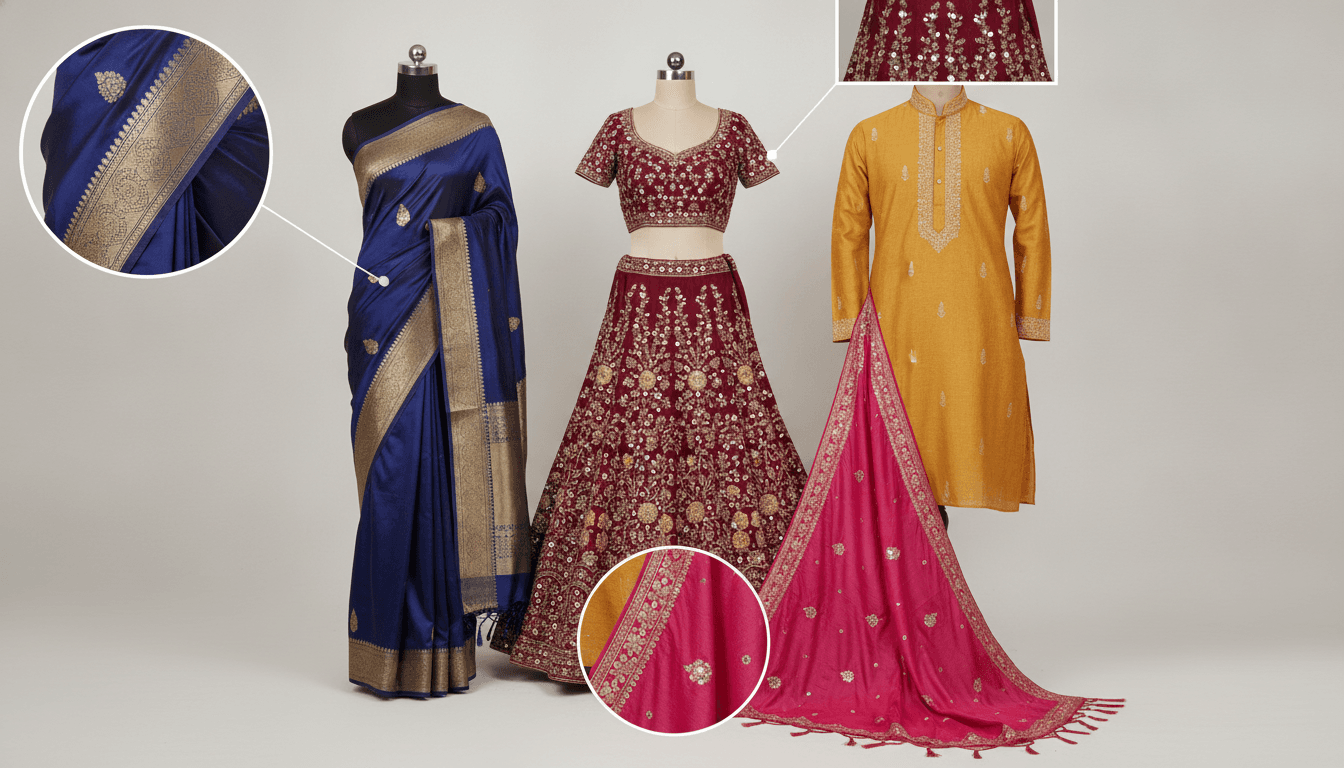
- Garment clarity: neckline, sleeves, print, embroidery, and silhouette should read cleanly.
- Variant control: every shade or style should map correctly.
- Pre-upload QA: review assets before they go live.
How to think about the four platforms
Exact seller rules can change, so teams should always verify the latest platform documentation. Operationally, though, the four marketplaces usually differ in how strongly they prioritize clean compliance, fashion-led presentation, and gallery usefulness.
Amazon
Amazon typically rewards clear, product-first visuals. The hero image should make the item instantly understandable and avoid distractions.
Myntra
Myntra is fashion-led, so on-model quality, silhouette readability, and styling context often matter more.
Flipkart
Flipkart usually benefits from a balanced approach: strong clarity, practical framing, and reliable product presentation.
AJIO
AJIO often rewards more polished fashion merchandising, so complete and premium-looking visuals can matter more.
Primary image vs gallery image
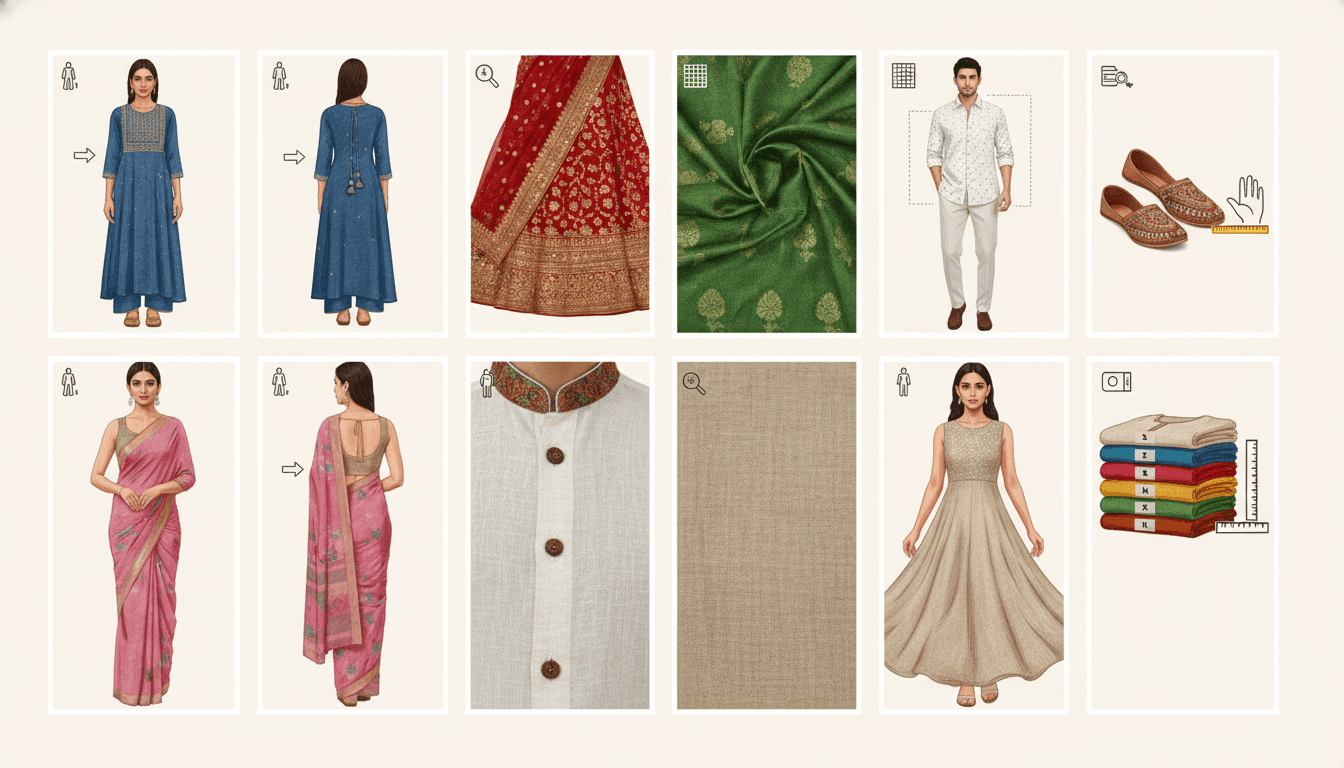
- Primary image: clean, product-first, unmistakable in grid view.
- Gallery image: adds angles, close details, and fit or styling context.
- Detail image: useful for fabric, embroidery, border work, closures, or trims.
- Variant image: should clearly match the selected color or style.
Are AI-generated fashion images allowed?
The important issue is not only whether an image is AI-assisted. It is whether the image is accurate, realistic, compliant, and faithful to the actual product. If AI introduces misleading drape, false embellishment, wrong color, or unrealistic styling, it can create approval issues or customer dissatisfaction.
Common rejection or underperformance reasons
- The product is unclear.
- The image feels misleading.
- The hero image is too busy.
- The gallery is incomplete.
- The image was not adapted for the platform.
A practical multi-platform workflow
- Create one reviewed base asset set.
- Generate platform-ready hero and gallery variants.
- Separate workflows by category.
- Run pre-upload QA.
- Track rejection patterns and improve templates.
Pre-upload checklist
- Is the hero image immediately clear?
- Does the gallery answer buyer questions?
- Are variants mapped correctly?
- Are detail shots included where needed?
- Does the image set fit the platform style?
- Have AI-assisted visuals been checked for realism?
Winning across Amazon, Myntra, Flipkart, and AJIO is not about memorizing four isolated rulebooks. It is about building a content workflow that keeps fashion assets accurate, adaptable, and fast to publish.